Best Time to Visit Sri Lanka: Season-by-Season
Sri Lanka, often called the “Pearl of the Indian Ocean,” is a tropical paradise brimming with diverse landscapes, ancient ruins, pristine beaches, and vibrant culture. If you’re planning a trip and searching for the best time visit Sri Lanka, understanding the weather and monsoon seasons is crucial. The island’s climate varies significantly throughout the year, affecting everything from outdoor activities to crowd levels and costs. In this guide, we’ll break down the seasons, offer practical tips, and help you decide when to pack your bags for an unforgettable adventure.
Whether you’re dreaming of lounging on golden sands, embarking on a wildlife safari, or exploring historic sites, timing your visit can make all the difference. As a premier Sri Lanka tour guide and driver service, Wonders of Lanka recommends considering factors like rainfall, temperature, and festivals to maximize your experience. Let’s dive into the details to ensure your journey is seamless and enjoyable.
Overview of Sri Lanka’s Climate
Sri Lanka’s tropical climate is influenced by two monsoon seasons, making it a year-round destination with varying conditions. The weather is generally warm, with temperatures ranging from 27°C to 35°C (80°F to 95°F) in the lowlands and cooler in the hill country. The southwest monsoon (Yala) brings rain from May to September, while the northeast monsoon (Maha) affects the country from October to January. This seasonal variation means that the best time visit Sri Lanka depends on your travel preferences and the regions you plan to explore.
Key factors to consider include humidity, which can be high during the rainy months, and the potential for crowds during peak tourist seasons. For instance, if you’re interested in Sri Lanka safari tours in places like Yala National Park, you’ll want to avoid the heavy rains that can disrupt wildlife viewing. Understanding these patterns will help you plan a trip that’s not only enjoyable but also cost-effective.
Dry Season: December to March
The dry season from December to March is widely regarded as the best time visit Sri Lanka for most travelers. This period offers sunny skies, minimal rainfall, and comfortable temperatures, making it ideal for beach holidays, cultural tours, and outdoor adventures. The northeast part of the island, including popular spots like Trincomalee and Jaffna, experiences the least rain during these months, while the hills remain pleasantly cool.
Why This Season Shines
With clear weather, you can fully enjoy Sri Lanka’s stunning beaches and historical sites without interruptions. Temperatures hover around 30°C (86°F), perfect for water activities like snorkeling or surfing. This is also the peak season for festivals, such as the vibrant Perahera in Kandy, adding a cultural flair to your trip. However, expect higher crowds and prices, as this is when tourism peaks.
Practical Tips and Costs
To make the most of your visit, book accommodations and activities in advance. A standard hotel room in Colombo might cost around $50-100 per night, while luxury resorts on the south coast can range from $150-300. For personalized experiences, consider hiring a Sri Lanka tour driver to navigate the island’s winding roads safely—services like those offered by Wonders of Lanka start at about $50 per day, including vehicle and fuel.
- Tip 1: Pack lightweight clothing, sunscreen, and a hat to handle the sun.
- Tip 2: If you’re into wildlife, this is prime time for Sri Lanka safari tours, with better visibility of elephants and leopards.
- Tip 3: Budget for entry fees to sites like Sigiriya Rock, which cost around $30 per person.
Wet Season: May to September

From May to September, the southwest monsoon brings the monsoon seasons that drench the western and southern coasts, making it less ideal for beach lovers but perfect for budget travelers. While rainfall is heavy, it’s not constant, and you can still enjoy indoor activities or explore the drier eastern regions. This period is often called the off-peak season, with lush greenery and fewer tourists.
Pros and Cons of Visiting
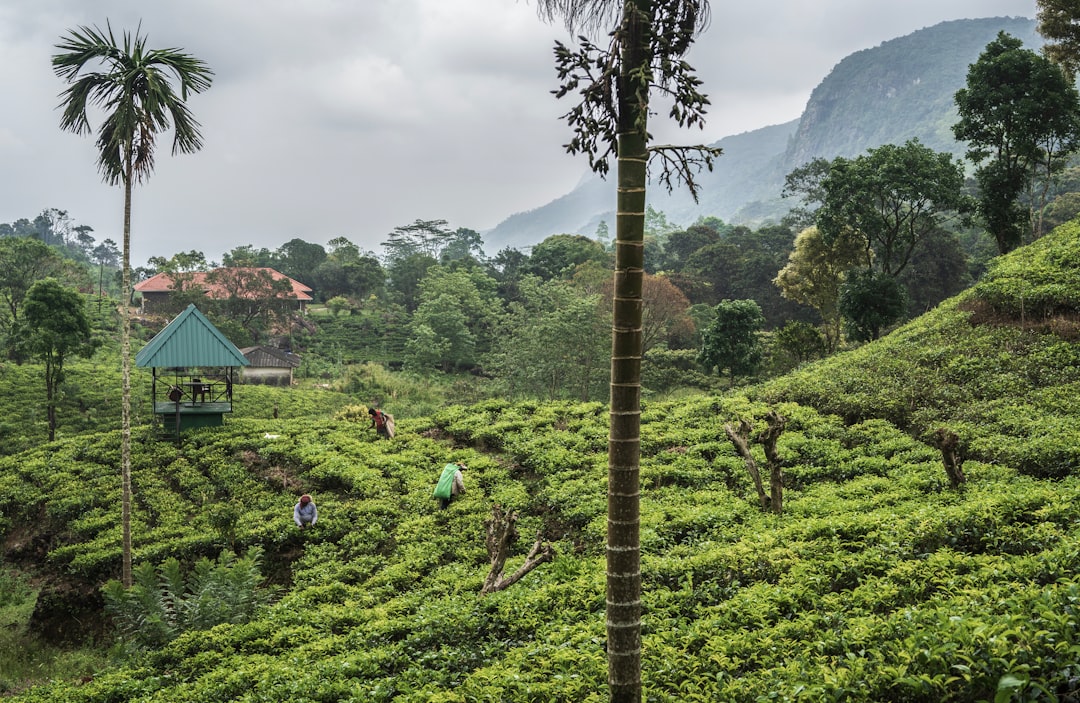
On the positive side, the rains cool things down and create dramatic landscapes, ideal for photography enthusiasts. However, frequent showers can disrupt plans, so flexibility is key. Temperatures remain warm, around 28°C (82°F), but humidity spikes, making it feel hotter. If you’re adventurous, this is a great time for hill country hikes, as the tea estates are vibrantly green.
Practical Tips and Costs
Travel during this season can save you money—hotel rates might drop by 30-50%, with rooms available for $30-80 per night. Use the savings to splurge on unique experiences, like a Sri Lanka private tours with driver to lesser-known spots. Daily driver services could cost as low as $40, offering a comfortable way to avoid flooded roads.
- Tip 1: Bring waterproof gear and quick-dry clothes to handle sudden downpours.
- Tip 2: Avoid coastal areas and focus on the Cultural Triangle for drier conditions.
- Tip 3: Check for flash flood warnings and factor in extra travel time.
Shoulder Seasons: April and October to November

The shoulder seasons of April and October to November offer a sweet spot between the dry and wet periods. April brings the Sinhala and Tamil New Year celebrations, while October to November sees the tail end of the northeast monsoon. These months provide a balance of good weather, lower crowds, and reasonable prices, making them an excellent choice for those seeking the best time visit Sri Lanka without the hustle.
Highlights of These Months
In April, expect warm weather with occasional showers, perfect for festivals and outdoor events. From October to November, the east coast dries out, allowing for beach activities in areas like Arugam Bay. This is also a great time for Sri Lanka safari tours, as animals are more active after the rains.
Practical Tips and Costs
Accommodations are more affordable, with rates around $40-100 per night. If you’re planning a customized itinerary, a Sri Lanka tour driver can help you adapt to changing weather—expect costs of $45 per day. Use this time to explore off-the-beaten-path destinations without the peak-season rush.
- Tip 1: Monitor weather apps for real-time updates.
- Tip 2: Book Sri Lanka private tours with driver for flexible scheduling.
- Tip 3: Budget for local festivals, which might include special entry fees of $10-20.
Best Times for Specific Activities

Depending on your interests, certain seasons align better with specific activities. For beach vacations, aim for the dry season in the southwest. Adventure seekers might prefer the shoulder seasons for hiking in the Knuckles Range, while wildlife enthusiasts should target February to March for optimal Sri Lanka safari tours.
Activity-Specific Recommendations
If you’re into surfing, Arugam Bay is best from April to October. Cultural tours thrive year-round, but visiting ancient sites like Anuradhapura is more pleasant during drier months. For a tailored experience, consider a Sri Lanka private tours with driver to combine activities seamlessly.
Practical Tips and Costs
Activity costs vary: A safari might cost $50-100 per person, including park fees. Always factor in transportation—hiring a driver adds convenience at around $50 per day. Pack according to your plans, like sturdy shoes for treks or swimwear for beaches.
- Tip 1: Research activity-specific weather patterns.
- Tip 2: Combine tours for cost savings, such as bundling a safari with a cultural site visit.
- Tip 3: Expect food and transport costs to average $20-50 per day per person.
Practical Travel Tips and Cost Breakdown

To wrap up, here are essential tips for planning your trip. Always check visa requirements, as most visitors need one. Budget wisely: A week-long trip might cost $500-1500, including flights, depending on your style. For guided experiences, Wonders of Lanka offers expert Sri Lanka tour driver services to enhance your journey.
Cost Breakdown
Break down expenses: Flights ($300-600), accommodations ($30-300/night), food ($10-30/day), and activities ($20-100). Don’t forget to account for tips and miscellaneous costs.
- Tip 1: Use travel insurance to cover monsoon seasons surprises.
- Tip 2: Exchange currency upon arrival for better rates.
- Tip 3: Stay hydrated and use reputable transport options.
Frequently Asked Questions
What is the best month to visit Sri Lanka for beaches?
The best months for beaches are December to March, when the weather is dry and sunny in the southwest.
How does the monsoon affect travel plans?
The monsoons can bring heavy rains, so plan indoor activities or visit the drier regions to avoid disruptions.
Is it safe to travel during the rainy season?
Yes, with proper precautions, but check for floods and use a reliable Sri Lanka tour driver for safer travels.
What are the average costs for a Sri Lanka safari tour?
Sri Lanka safari tours typically cost $50-100 per person, including entry fees and transportation.
Should I book a private tour with a driver?
Absolutely, a Sri Lanka private tours with driver offers flexibility and convenience, especially for first-timers.
How can I avoid crowds in Sri Lanka?
Travel during shoulder seasons like April or October to November for fewer crowds and lower prices.
What should I pack for different seasons?
Pack light clothes for dry seasons and rain gear for monsoons, along with essentials like sunscreen and insect repellent.
Why choose Wonders of Lanka for my trip?
Wonders of Lanka provides personalized services, ensuring a hassle-free experience tailored to your needs.
For an unforgettable Sri Lanka adventure, book your trip with Wonders of Lanka today and let our expert guides handle the details. Visit wondersoflanka.com to start planning!