Galle Fort: History, Culture & Things to Do
Galle Fort, a UNESCO World Heritage Site in Galle Sri Lanka, stands as a testament to the island’s rich Dutch colonial past and vibrant cultural tapestry. Nestled on the southwestern coast of Sri Lanka, this 17th-century fortress offers a captivating blend of history, architecture, and modern-day charm. Whether you’re a history buff, a culture enthusiast, or simply seeking an authentic Sri Lankan experience, Galle Fort has something for everyone. In this article, we’ll delve into its fascinating history, explore the cultural highlights, and guide you through the top things to do, all while providing practical tips and costs to make your visit seamless.
As a premier destination in Sri Lanka, Galle Fort attracts travelers eager to uncover the layers of its past while enjoying contemporary attractions. If you’re planning a trip, consider enhancing your journey with a Sri Lanka tour guide and driver from a reputable service to navigate the fort’s winding streets and hidden gems effortlessly.
The Rich History of Galle Fort
Galle Fort’s history dates back to the 16th century when it was initially established by the Portuguese as a defensive fortification. However, it was the Dutch who truly left their mark, expanding and fortifying the structure during their rule from 1640 to 1796. This period of Dutch colonial influence is evident in the fort’s robust walls, arched doorways, and intricate bastions, making it one of the best-preserved examples of colonial architecture in Asia.
After the Dutch, the British took control in 1796, using Galle as a key administrative hub until Sri Lanka gained independence in 1948. Today, Galle Fort serves as a living museum, where history seamlessly integrates with daily life. Walking through its cobbled streets, you’ll encounter remnants of Galle Sri Lanka’s colonial era, including the iconic clock tower and the Dutch Reformed Church. The fort’s strategic location on a natural harbor also played a pivotal role in trade routes, fostering a multicultural society that thrives to this day.
Exploring this history isn’t just about the buildings; it’s about understanding how Galle Fort shaped Sri Lanka’s identity. For those interested in deeper cultural immersion, opting for Culture tours Sri Lanka can provide insightful narratives from local experts, revealing stories that textbooks often overlook.
Exploring the Cultural Heritage
Galle Fort is more than just a historical site; it’s a vibrant hub of cultural heritage that reflects Sri Lanka’s diverse influences. The fort’s architecture is a melting pot of Portuguese, Dutch, and British styles, interspersed with Sinhalese and Muslim elements, creating a unique cultural mosaic. Stroll along the ramparts, and you’ll find bustling markets, artisanal shops, and quaint cafes that embody the local way of life.
One of the cultural highlights is the National Maritime Museum, housed in an old Dutch warehouse, which showcases artifacts from Sri Lanka’s seafaring history. Additionally, the fort is home to several religious sites, including the All Saints’ Anglican Church and the Groote Kerk, offering glimpses into the spiritual practices that have evolved over centuries. The annual Galle Literary Festival, held within the fort, celebrates literature and arts, drawing international visitors and reinforcing its status as a cultural epicenter.
For travelers seeking authentic experiences, engaging in activities like watching traditional Kandyan dancers or sampling Sri Lankan cuisine at local eateries can be transformative. If your itinerary includes broader adventures, such as wildlife excursions, you might pair your visit with Sri Lanka safari tours in nearby national parks, providing a contrast to the fort’s urban charm.
Top Things to Do in Galle Fort
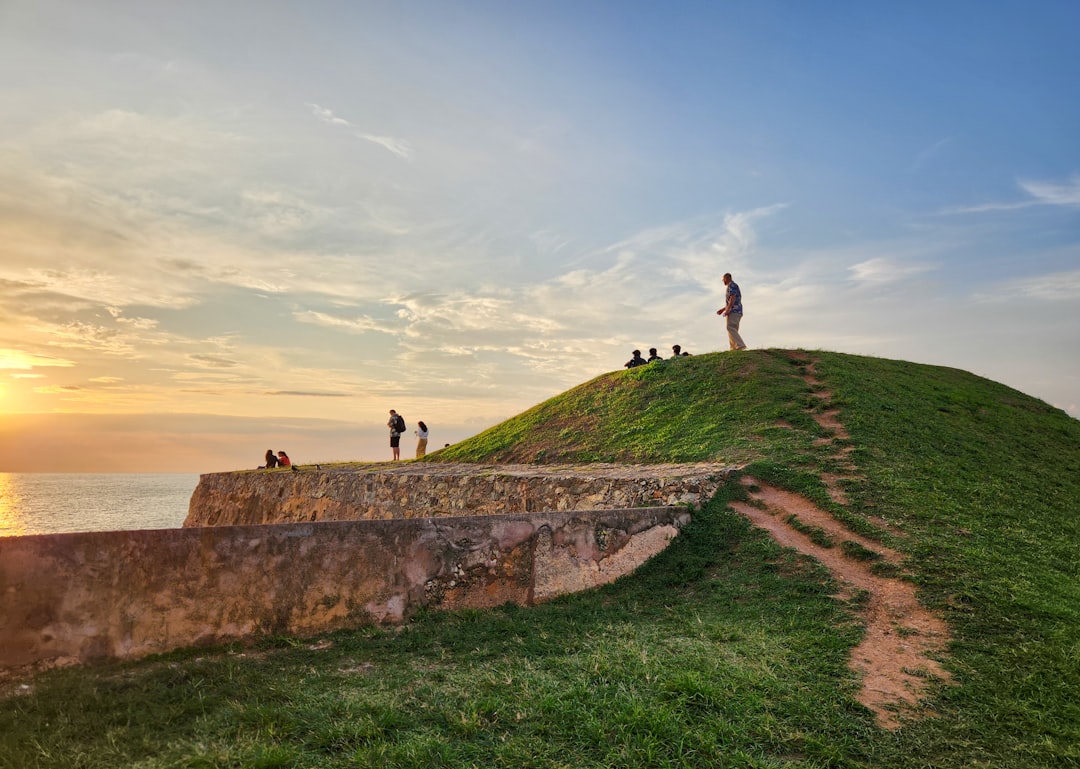
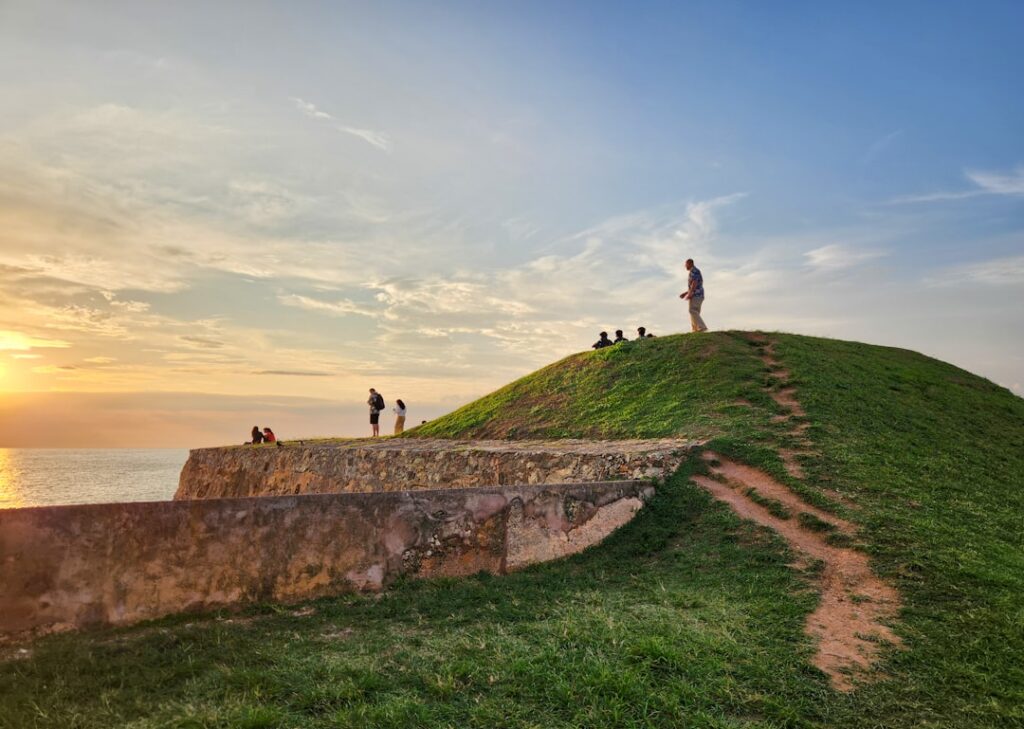
There’s no shortage of activities in Galle Fort, making it an ideal spot for both relaxation and adventure. Start your day by climbing the fort’s walls for panoramic views of the Indian Ocean, especially at sunrise or sunset. The 90-acre site is pedestrian-friendly, with narrow lanes leading to hidden treasures.
Must-Visit Attractions
- Walk the Ramparts: A 1.5 km loop around the fort offers stunning vistas and photo opportunities. Don’t miss the Point Utrecht Bastion for its historical cannons.
- Explore the Dutch Hospital: Now a shopping and dining complex, this restored building features boutique stores and restaurants serving fresh seafood.
- Visit the Galle Fort Clock Tower: An iconic landmark that symbolizes the town’s colonial legacy.
- Dive into Local Markets: Wander through the streets to find handmade jewelry, spices, and batik fabrics, perfect for souvenirs.
- Enjoy a Beach Day: The fort overlooks Galle’s beaches, where you can swim or try watersports.
For a more guided experience, hiring a Sri Lanka tour guide and driver can help you uncover lesser-known spots, such as secret courtyards or historical residences turned into guesthouses.
Practical Tips for Visitors

To make the most of your trip to Galle Fort, planning ahead is essential. The best time to visit is during the dry season from December to March, when the weather is pleasant and rainfall is minimal. Wear comfortable shoes for walking on uneven surfaces, and bring sunscreen, as the tropical sun can be intense.
Getting There and Around
Galle Fort is easily accessible from Colombo, about 116 km away, via the Southern Expressway, which takes around 2 hours by car. Public buses and trains are affordable options, but for convenience, arrange a private transfer with a reliable Sri Lanka tour guide and driver service.
Accommodation and Dining
Stay within the fort for an immersive experience, with options ranging from luxury hotels to budget guesthouses. Prices start at LKR 5,000 per night for basic rooms and go up to LKR 20,000 for upscale stays. Dining is affordable, with meals at local cafes costing around LKR 1,000-2,000, while fine dining can reach LKR 5,000.
Remember to respect local customs; remove shoes when entering religious sites and dress modestly. English is widely spoken, but learning a few Sinhala phrases can enhance your interactions.
Costs and Budgeting Your Trip
Traveling to Galle Fort can be budget-friendly or luxurious, depending on your preferences. Entrance to the fort itself is free, but some museums charge a small fee, around LKR 500-1,000 per person. Expect to spend LKR 2,000-5,000 on transportation from Colombo, including fuel and tolls.
For a full-day guided tour, costs might range from LKR 10,000 for a group to LKR 25,000 for private options, which often include a Sri Lanka tour guide and driver. If you’re interested in extending your trip, factor in Culture tours Sri Lanka at around LKR 15,000 per day or Sri Lanka safari tours starting from LKR 20,000 for half-day excursions in nearby Yala National Park.
A sample budget for a two-day trip could look like this:
- Accommodation: LKR 10,000 (for two nights)
- Meals: LKR 5,000
- Transportation: LKR 5,000
- Activities and Entrance Fees: LKR 3,000
- Total: Approximately LKR 23,000 for one person
Keep in mind currency exchange rates and use ATMs within the fort for convenience. Bargaining is common in markets, so negotiate politely for the best deals.
Best Time to Visit and Safety Tips

The ideal time to visit Galle Fort is between November and April, avoiding the monsoon season from May to October. During peak months, the fort hosts festivals and events that add to the excitement. Safety-wise, Galle is generally secure for tourists, but stay vigilant in crowded areas and use reputable services for transportation.
If you’re traveling with family or in a group, ensure you have travel insurance and stay hydrated. For those combining cultural exploration with wildlife, Sri Lanka safari tours can be safely arranged through trusted operators.
Conclusion and Call to Action
Galle Fort encapsulates the essence of Sri Lanka’s history and culture, offering an unforgettable blend of past and present. From strolling its historic streets to savoring local flavors, this destination promises memories that last a lifetime. To elevate your experience, book a personalized tour with Wonders of Lanka (wondersoflanka.com), our premium Sri Lanka tour guide and driver service, which specializes in tailored itineraries including Culture tours Sri Lanka. Visit our website today to plan your adventure!
FAQ Section
Here are some frequently asked questions about Galle Fort:
- What is the best time to visit Galle Fort? The best time is from December to March when the weather is dry and sunny, making it ideal for outdoor exploration.
- How much does it cost to enter Galle Fort? Entrance to the fort is free, but some internal sites like museums may charge around LKR 500-1,000.
- Is Galle Fort suitable for families with children? Yes, it’s family-friendly with safe walking paths, but supervise children near the ramparts and beaches.
- Can I hire a guide for Galle Fort? Absolutely; a Sri Lanka tour guide and driver can provide in-depth knowledge and handle transportation.
- What should I wear when visiting? Opt for comfortable, modest clothing, especially when entering religious sites, and wear hats for sun protection.
- Are there nearby attractions worth visiting? Yes, including beaches, Unawatuna for snorkeling, and options for Sri Lanka safari tours in the region.
- How do I get to Galle Fort from the airport? It’s about a 2-3 hour drive from Colombo International Airport; book a transfer for ease.
- Is English spoken in Galle Fort? Yes, English is widely spoken, particularly in tourist areas, making navigation straightforward.